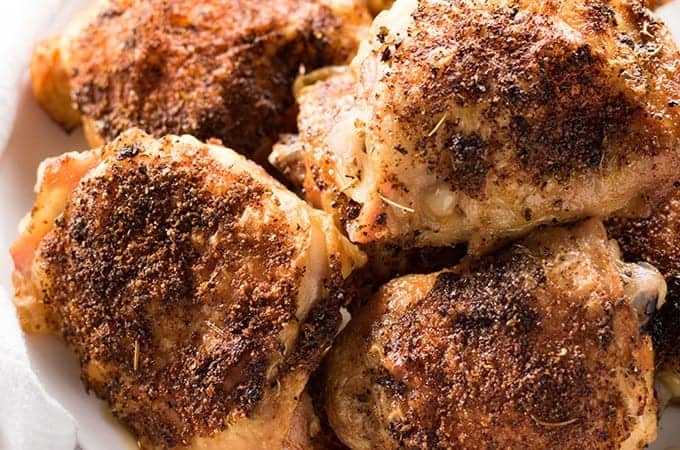
The Secret to Crispy, Juicy Baked Chicken Thighs: 185°F Temp
The quest for the perfect baked chicken thighs often feels like a culinary holy grail. We crave that golden, shatteringly crispy skin and succulent, melt-in-your-mouth dark meat. Too often, however, home cooks settle for rubbery skin or dry, stringy meat, missing out on the true potential of this incredibly versatile and flavorful cut of poultry. The good news? Achieving perfection is simpler than you think, and it boils down to one critical, often misunderstood, temperature: 185°F.
While food safety guidelines correctly state that chicken is safe to consume at 165°F, this temperature is merely the minimum for eliminating harmful bacteria. For lean white meat like chicken breast, 165°F is indeed ideal for tenderness. But for the rich, collagen-filled dark meat of chicken thighs, pushing the internal temperature further—to 185°F—transforms them from merely "safe" into an extraordinary culinary experience. This isn't just an opinion; it's a science-backed method for unlocking unparalleled flavor and texture.
Why 185°F is the Magic Number for Baked Chicken Thighs
The secret to perfectly tender and juicy baked chicken thighs lies in understanding the unique composition of dark meat. Unlike chicken breasts, thighs are richer in fat and connective tissues (collagen). While 165°F is sufficient to cook the protein, it's not quite hot enough, or sustained long enough, to fully render the fat and break down that tough connective tissue.
When chicken thighs reach an internal temperature of 185°F (and even up to 195°F), something magical happens:
- Collagen Melts: The higher temperature allows the collagen to convert into gelatin. This process is crucial for achieving that characteristic "pull-apart" tenderness that makes dark meat so appealing. Without it, the meat can remain slightly chewy or stringy.
- Fat Renders: The extended cooking time at a higher temperature ensures the subcutaneous fat beneath the skin fully renders. This is essential for achieving ultra-crispy skin, as the fat essentially "fries" the skin from within. Excess unrendered fat can leave the skin rubbery and unappetizing.
- Enhanced Juiciness: Counterintuitively, cooking dark meat to a higher temperature actually *increases* its juiciness. The melted collagen and rendered fat contribute to a richer mouthfeel and prevent the meat from drying out, even as it cooks longer.
Think of it this way: 165°F is the stop sign for foodborne illness, but 185°F is the green light for gourmet flavor and texture. This distinction is vital for anyone aiming to elevate their everyday baked chicken thighs.
Essential Prep Steps for Unbeatable Crispy Skin
The journey to crispy, juicy baked chicken thighs begins long before they hit the oven. Meticulous preparation is key to ensuring that golden, crackling skin and perfectly cooked meat.
- Pat Them Dry, Dry, Dry: This is arguably the most critical step. Moisture is the enemy of crispy skin. Use plenty of paper towels to vigorously pat down every surface of the chicken thighs, including underneath the skin if possible. Any surface moisture will steam the chicken rather than allowing the skin to crisp up.
- Trim Excess Fat and Loose Skin: While fat is crucial for flavor and juiciness, excessive, floppy pieces of skin or thick pockets of fat won't render properly and can lead to a greasy, less appealing result. Trim these away with kitchen shears or a sharp knife.
- Season Liberally and Thoughtfully: A simple yet effective seasoning blend is often all you need. Start with a generous amount of salt and freshly ground black pepper. Then, add your favorite aromatics like garlic powder, onion powder, paprika (for color and flavor), dried oregano, and dried thyme. For an extra layer of flavor, gently loosen the skin and rub some seasoning directly onto the meat before repositioning the skin. Don't be shy with the seasoning – it penetrates as the chicken cooks.
- Bring to Room Temperature: Remove the chicken thighs from the refrigerator about 20-30 minutes before baking. Allowing them to come closer to room temperature promotes more even cooking throughout the thigh.
- Set Up Your Baking Station: Line a sturdy baking sheet with aluminum foil for easier cleanup. If you have one, place an oven-safe wire rack on top of the foil-lined sheet. This elevated position allows hot air to circulate all around the chicken, preventing soggy bottoms and promoting crispiness on all sides. A light spray with cooking oil or PAM on the rack will prevent sticking.
These preparatory steps are not mere suggestions; they are foundational techniques that pave the way for a truly outstanding dish of baked chicken thighs.
The Baking Process: High Heat for High Rewards
With your chicken thighs prepped to perfection, it's time to introduce them to the heat. The right oven temperature and cooking method are paramount for achieving that coveted crispy skin and tender interior.
Start by preheating your oven to a robust 425°F (220°C). If you have a convection oven, 400°F (200°C) is often sufficient, as convection heat is more efficient and circulates hot air more effectively. The high heat serves a crucial purpose: it quickly renders the fat in the skin and initiates the Maillard reaction, responsible for that irresistible golden-brown crust. Some recipes even recommend 450°F for a regular oven for an even faster crisp.
Arrange your seasoned chicken thighs on the prepared wire rack, ensuring they are not overcrowded. Give them space to breathe; an overcrowded pan can lead to steaming, which, as we know, is the enemy of crispiness.
Bake the chicken thighs for approximately 30-40 minutes. However, and this is critical, *always use time as a guide, not a definitive measure*. The only true indicator of perfectly cooked chicken thighs is their internal temperature. Using a reliable meat thermometer, insert it into the thickest part of the thigh, making sure not to touch the bone. You are aiming for that magic 185°F (85°C).
Boneless, skinless chicken thighs will cook faster due to their lack of bone and skin. While this article focuses on the bone-in, skin-on variety for optimal crispiness and juiciness, boneless thighs typically require less cooking time, potentially reaching 185°F in 20-25 minutes. However, the skin-on, bone-in version truly provides the best balance of textures and flavors.
Troubleshooting and Advanced Tips for Perfect Baked Chicken Thighs
Even with the best intentions, things can sometimes go awry. Here are some common troubleshooting tips and advanced techniques to ensure your baked chicken thighs are always a showstopper.
Troubleshooting Common Issues:
- Rubbery Skin: This is almost always due to insufficient drying or not enough heat. Ensure you pat the chicken extremely dry, use a wire rack for air circulation, and confirm your oven is at the correct high temperature. Overcrowding the pan can also lead to steaming, so give those thighs some space!
- Dry Meat: If your chicken thighs are dry, you've likely overcooked them. While 185°F is the target, going significantly beyond 195°F, especially with smaller thighs, can start to dry them out. Use your meat thermometer vigilantly.
- Uneven Cooking: Hot spots in your oven can cause uneven cooking. Rotate your baking sheet halfway through the cooking process for more consistent results.
Advanced Tips for Extra Flair:
- Flavor Infusion: For an extra layer of flavor, toss in some lemon wedges, sprigs of fresh rosemary or thyme, or even crushed garlic cloves directly onto the baking sheet (or under the rack) during the last 15-20 minutes of baking. The aromatic steam will infuse into the chicken.
- Broiler Finish: If your skin isn't quite as crispy as you'd like at 185°F, you can carefully finish the thighs under a hot broiler for 1-3 minutes. Watch them *very* closely, as they can burn quickly.
- Marinating: While not strictly necessary for this method, a quick marinade (e.g., yogurt-based, citrus, or herb-infused) for a few hours can add even more depth of flavor and contribute to tenderness.
- Resting Period: Once your chicken thighs reach 185°F, remove them from the oven and let them rest on a cutting board or clean plate, loosely tented with foil, for 5-10 minutes. This allows the juices to redistribute throughout the meat, resulting in an even more succulent final product.
For more weeknight meal inspiration and variations on this delicious dish, check out our guide on
Easy Crispy Baked Chicken Thighs: Perfect for Weeknight Dinners. Dive deeper into the techniques for mastering that perfect balance of textures with our article on
Oven Baked Chicken Thighs: Achieve Crispy Skin & Tender Meat.
Conclusion
The journey to consistently perfect baked chicken thighs is less about complex techniques and more about understanding a few fundamental principles. By prioritizing thorough drying, utilizing high oven temperatures, and critically, cooking to that magic internal temperature of 185°F, you unlock the full potential of this humble cut of poultry. No longer will you dread rubbery skin or dry meat; instead, you'll be serving up crispy, golden-skinned, incredibly juicy baked chicken thighs that will impress every time. So grab your meat thermometer, preheat that oven, and get ready to experience the true delight of perfectly cooked dark meat.